
Reveal Enemy Intents; Or, How I Run RPG Combats Like Slay The Spire

TL;DR: Tell your players what the enemies are about to do, let them respond to those threats with good plans as a group, and deliver on threats that were not mitigated.
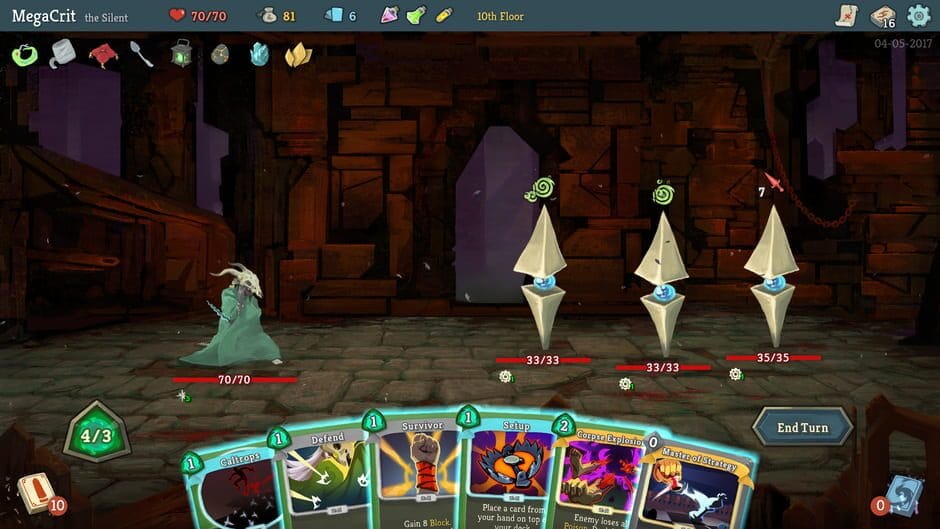
In the hit 2019 rogue-like deck-building video game Slay The Spire, one of the fundamental aspects of gameplay is the intent system. During your turn, the game tells you enemy's intent, which is to say, it tells you exactly what each enemy will do on its next turn.
Before playing Slay The Spire, I had never played a game that did this before. It almost felt like cheating, yeah? I get to know what the enemy is about to do? How is that fair?
As it turns out, revealing what enemies are about to do unlocks a tremendous amount of tactical and strategic depth to the game. When you know what the enemy is about to do, you can make informed choices about what actions to take to best mitigate incoming threats or set yourself up to be more potent later in the combat.
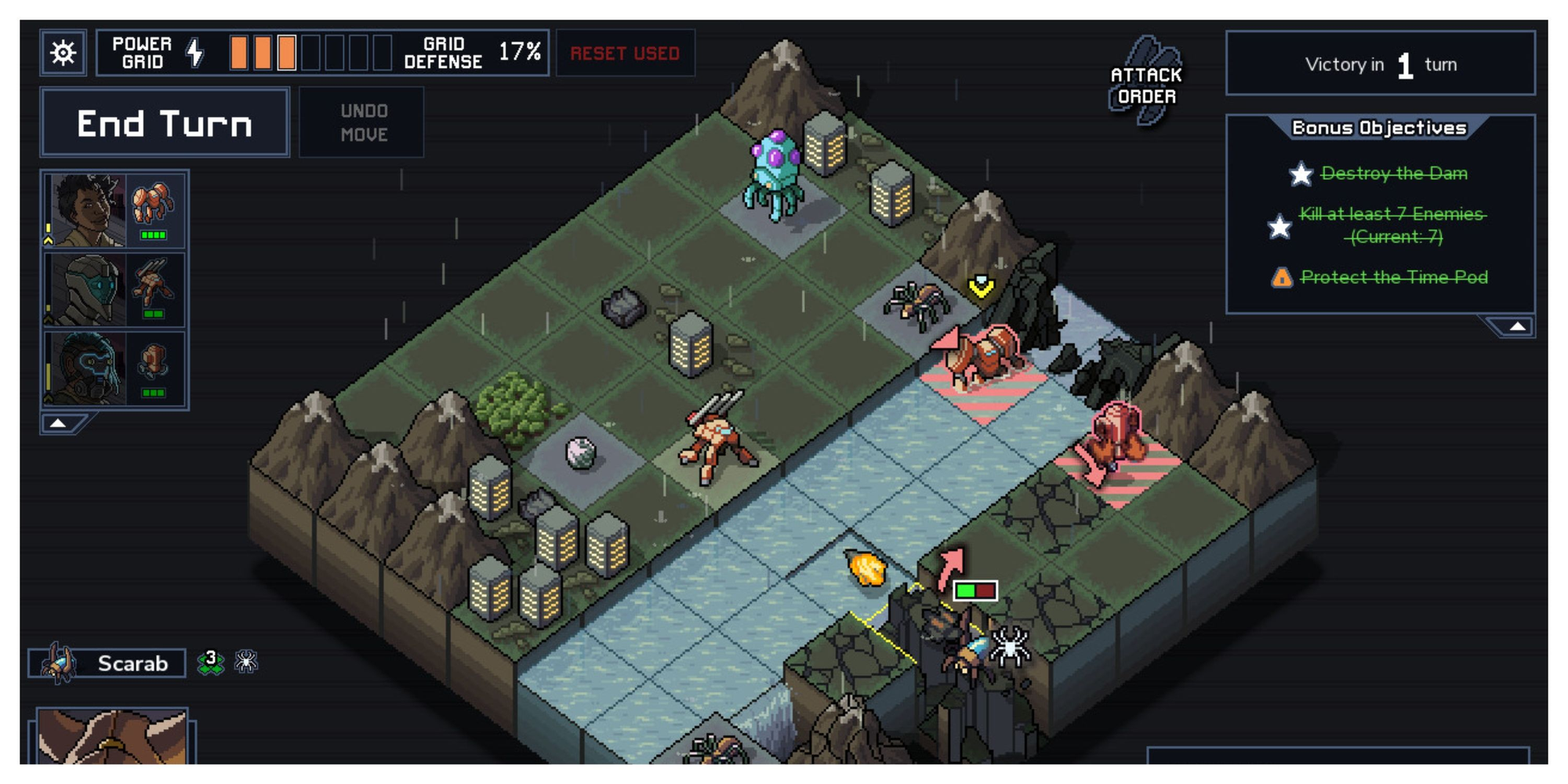
Old-school style RPG play is all about this type of game loop: Give the players Information, let them make a Choice, and then show the Impact of that choice. OSR games have a notorious reputation for being deadly, but in practice, that deadliness comes up a lot less often when players are given good information that allow them to make plans that can avoid those dangerous situations or otherwise mitigate them. And when a character dies, that death is accepted as "fair" because the player knew what the risks were going into it.
I've recently started to really appreciate group-based combat initiative in OSR play: PCs all act as a group, with each player declaring their character's actions, and then actions are all resolved simultaneously (or in the order that makes the most sense) before enemies get their turn. My primary tweak, however, is to make sure that I am proactively telegraphing to my players the primary threats of the scene before asking them what their characters do. Who is about to be attacked? Where is the biggest threat coming from? What will happen if nobody does anything?
I come back to this video by John Harper quite a bit. The game rhythm model of presenting a threat to the players and soliciting actions fixes an incredible number of issues that come up in gameplay. Not only does it effectively eliminate meaningless dice rolls where risks and consequences are unclear (if I tell you what bad thing is about to happen, and you take a risky action to mitigate that bad thing, there's really little ambiguity as to what will happen if the roll goes poorly), but it also presents the players with a creative "hard edge": a "grabby" prompt designed to elicit a concrete creative response from the players. There's a world of difference between "The goblins and the troll turn and look like they are ready for a fight, what do you do?" vs. "Three goblins bear down on Chester, two aim their bows at Thaddeus, and the troll looks like he's going to hurl a boulder at the doorway. What do you?"
Here is my current procedure for running group initiative in OSR combats, from Shadowdark to Mausritter to Mothership:
- Initative: Roll an appropriate check/save (Dexterity, Speed, etc.) to see which PCs are able to act before the enemies.
- Describe the current primary threats of the scene. What are the enemies about to do? What bad things are about to happen?
- Solicit actions from PCs as a group. Let PCs work together on actions to set each other up for things, dive for cover, take open-ended creative actions, etc.
- On the first round of combat, only PCs that succeeded on Initiative may take an action. On the second round, everyone may take an action.
- Answer clarifying questions as necessary. Players should be clear on what's about to happen, and should have ample opportunity to respond with good plans.
- Don't roll dice yet. Wait for everyone to declare their actions.
- Resolve PC actions. This is where dice rolls happen. Resolve actions in the order that makes the most sense – for example, if one PC takes an action to distract an enemy before another shoots them, resolve the distraction first, then the attack. It should be clear to players what order things should resolve in, and in general, default to assuming the PCs are competent.
- Resolve enemy actions. Deliver on threats that were forecasted in step 2, where applicable. Enemies make attack/damage rolls, etc.
- If the combat is still going, return to step 2. Otherwise, combat is over.
(Edit: I have since written an extended explanation of how I run group-based initiative here!)
I've found that, by forecasting these threats and using group-based initiative, player actions in combat become a lot more creative than just "I attack" over and over, and overall, combat delivers on a feeling of heroism and competence that often isn't present in OSR games while still maintaining high stakes. Presenting interesting threats to PCs that aren't just enemy attacks can do a great job at prompting creative actions from players, especially when they know they can work together to accomplish those actions.
My favorite part about this combat system is that it's exactly the same game loop as standard, non-combat play. The GM describes the scene, players ask questions and take actions, and the GM describes how the world changes in response.
This isn't a new technique to many OSR old-heads out there, but I figured I'd restate the approach from my perspective regardless, as I often see people struggle to wrap their head around how to run combats in games like Mothership or Cairn. I'm still learning and tweaking my approach to how I execute this in practice, but I've already been very happy with the resulting gameplay it has resulted in.
Update: For a more comprehensive look at group-based initiative, check out my follow-up post!